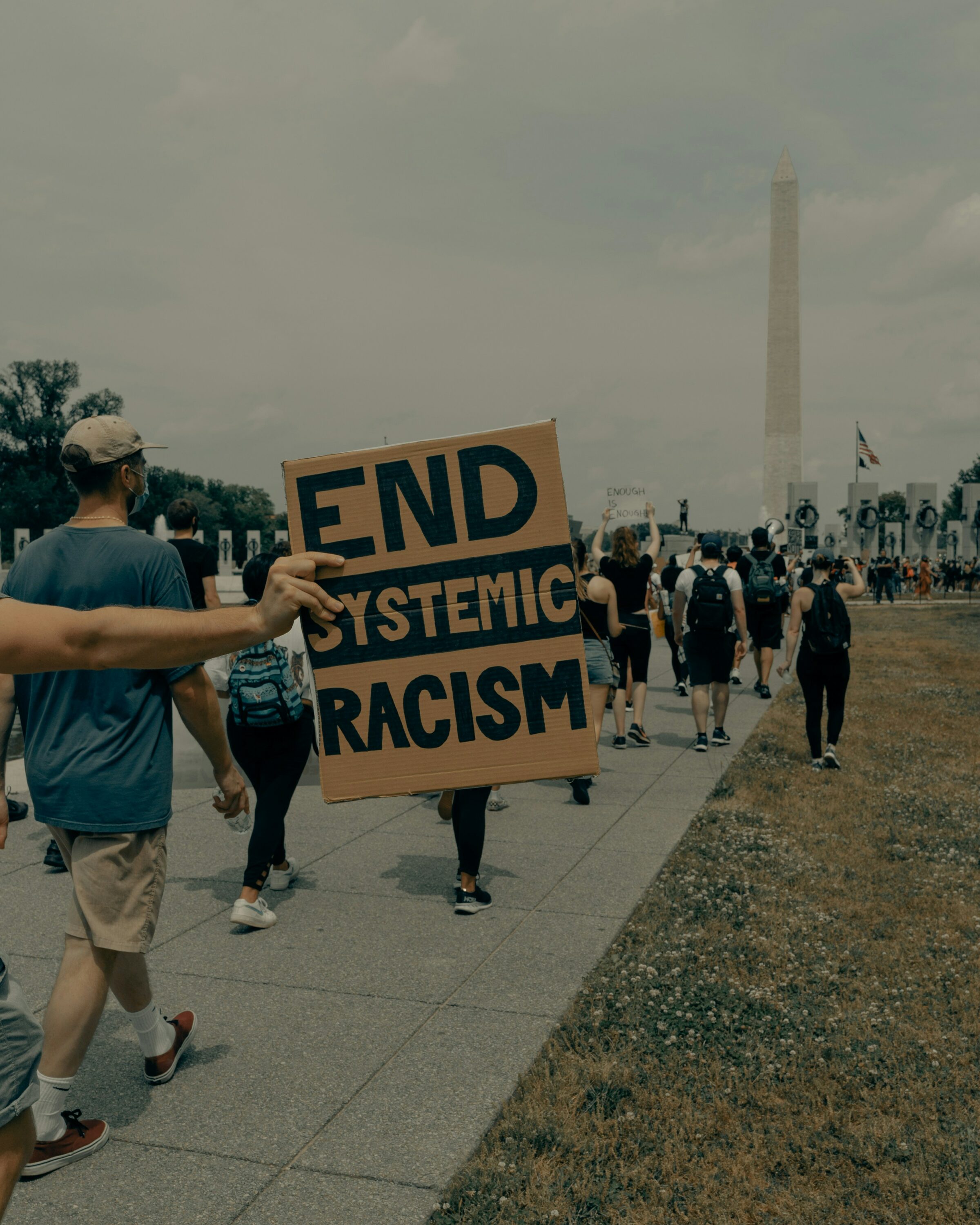
The psychological and societal impact of racial oppression
Racial injustice knows no borders
Similar events of racial injustice have occurred worldwide. On June 2nd, 2020, an investigation revealed that Adama Traoré, a 24-year-old Black man from the suburbs of Paris, died from asphyxiation after being detained by French police in 2016. His death serves as a stark reminder that racial oppression is not confined to the United States. It transcends borders and highlights systemic issues that continue to affect Black communities worldwide.
A system of power
Racism is not simply a matter of individual prejudice — at its core, it is about power. It operates as a system that structure social relations, both internally and internationally, systematically privileging one group over others. This power imbalance is upheld by societal institutions — such as the police, the justice system, and education — systems that maintain the status quo and perpetuate inequality. The refusal to implement effective corrective policies not only strengthens these structures, but makes it harder to dismantle the system of racial oppression. After all, why would those in power have any interest in giving up their privileges?
The call for actions
As Desmond Tutu, Nobel Peace Prize laureate 1984, once said, « If you are neutral in situations of injustice, you have chosen the side of the oppressor ». In times of violence and inequality, silence is complicity. It is crucial that we recognize the interconnectedness of these struggles and actively work towards dismantling the structures that perpetuate racial injustice.
Racial oppression is not just history; it is a current reality that demands commitment to education for change. Friendly reminder: scientifically speaking, races do not exist.